The Art of Slow Dining in Coastal Culinary Havens
Tracing ancient olive groves, artisanal fisheries, and quiet village taverns where dinner remains a sacred multi-hour ritual.
1. The Coastal Table Ethos
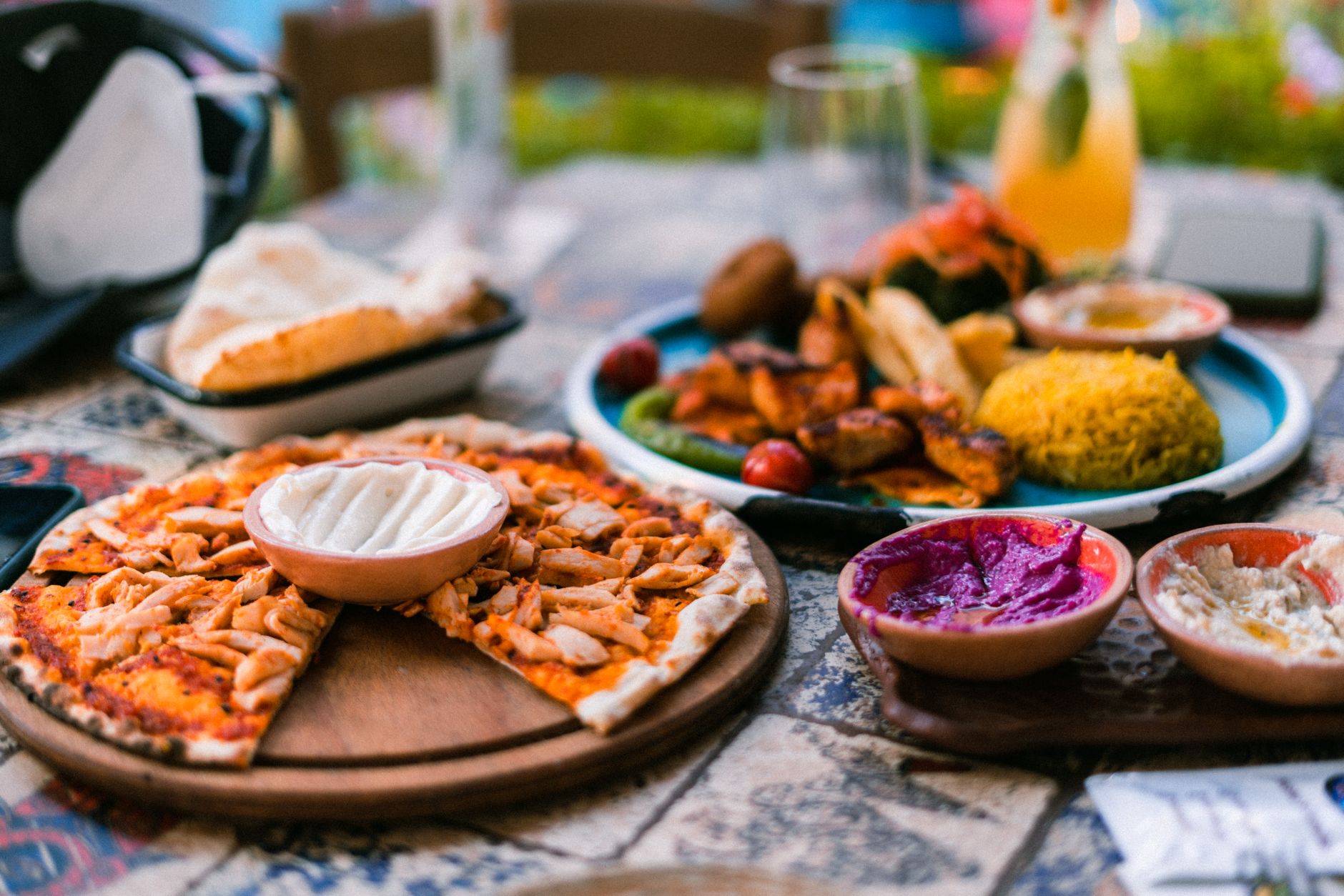
In small fishing hamlets across the southern European coastline, food has never been fast. Here, dining is dictated not by clocks, but by the morning catch and the sun’s descent into the sea. To sit down at a coastal tavern is to enter an unhurried dialog with landscape and history.
"Food tastes different when you know the name of the fisherman who pulled the sea bass from the water three hours ago."
2. Seasonal Ingredients and Micro-Climates
Micro-climates along rocky promontories yield distinct olive oils, sun-cured herbs, and mineral-rich wines. The absence of industrial processing allows the raw purity of wild oregano and sea salt to illuminate every dish.
3. Preservation of Heritage
By supporting family-run establishments that source exclusively within a ten-mile radius, travelers help safeguard intangible cultural heritage. Slow dining is fundamentally an act of eco-preservation.